

Gauge Interest: How to Test Ideas Before Making Big Decisions
Imagine spending months building a great idea, only to discover that nobody really wants it. This is where smart planning begins with gauge interest. Before investing your time, money, or effort, it helps to understand how people feel about your idea, product, or plan. Gauge interest means finding out how much curiosity, excitement, or support people have before making a final decision.
It is not about guessing what people want; it is about listening, learning, and making better choices. Whether you are launching a business, creating a product, planning an event, or sharing a new idea, knowing people’s interest can help you avoid mistakes and move forward with confidence.
Table of Contents
What Does Gauge Interest Mean?
The phrase gauge interest means to measure, understand, or estimate how much curiosity, enthusiasm, support, or willingness someone has toward an idea, product, service, event, or opportunity.
In simple words, when you gauge interest, you are trying to find out whether people are interested in something before spending significant time, money, or effort on it.
For example, a company may gauge customer interest before launching a new product by asking potential buyers for feedback. Similarly, an event organizer may check how many people are interested before booking a venue.
Simple Meaning
The word gauge means to measure, evaluate, or estimate something. It is often used for measuring physical things, such as temperature, pressure, or fuel levels. However, in the phrase gauge interest, it refers to measuring something that cannot be physically seen, such as opinions, excitement, or demand.
The word interest refers to attention, curiosity, desire, or willingness to participate in something.
Together, gauge interest means checking how interested people are before making a decision.
How Gauge Interest Is Used in Conversations and Writing
The phrase gauge interest is commonly used in everyday conversations, professional communication, marketing, and business discussions.
Online platforms often use different terms and expressions that may not be clear to everyone. If you come across unfamiliar online terms, resources like Sniffies Explained can help you understand their meaning and usage.
In Conversation
In casual conversations, people use gauge interest when they want to understand someone’s reaction before taking further action.
Examples:
- “I want to gauge interest before planning the trip.”
- “She mentioned the idea to gauge interest from her friends.”
- “The coach asked the players to gauge their interest in joining the tournament.”
Instead of directly asking for a final commitment, gauging interest helps someone understand initial reactions.
In Business Writing
In professional writing, gauge interest is often used when discussing research, planning, or decision-making.
Examples:
- “We conducted a survey to gauge interest in our upcoming service.”
- “The company wants to gauge customer interest before investing in production.”
- “The marketing team launched a campaign to gauge interest among potential buyers.”
Businesses frequently use this phrase because it shows a careful approach before making important decisions.
Gauge Interest in a Sentence Examples
Understanding how to use gauge interest in a sentence can help you use this phrase correctly in both casual and professional situations.
In Casual Conversation
Here are some examples:
- “I am trying to gauge interest before organizing a group dinner.”
- “He shared the idea online to gauge interest from his followers.”
- “She asked her classmates to gauge interest in a study group.”
In Business or Marketing
Businesses often use this phrase when researching customers:
- “The company created a survey to gauge interest in the new product.”
- “The brand used social media polls to gauge customer interest.”
- “Before launching the app, developers wanted to gauge interest among users.”
In Event Planning
Event organizers often need to know whether enough people will participate:
- “The organizers created a registration form to gauge interest in the workshop.”
- “The school surveyed students to gauge interest in the competition.”
- “The team checked attendance numbers to gauge interest before arranging the event.”
Gauge Interest Synonyms and Other Ways to Say It
There are several phrases that have a similar meaning to gauge interest. The best choice depends on the situation and tone.
Sometimes people use short forms and phrases in online conversations to express their thoughts or reactions. Understanding these terms, such as TW meaning, can help you communicate more clearly.
Assess Interest
Assess interest is a more formal alternative. It is commonly used in reports, research, and professional communication.
Example:
“Researchers assessed interest in renewable energy solutions.”
Measure Interest
Measure interest focuses on collecting information about the level of interest.
Example:
“The company measured interest through customer surveys.”
Test the Waters
Test the waters is a casual phrase that means trying something carefully before making a major commitment.
Example:
“The entrepreneur tested the waters before launching the product.”
See Who Is Interested
This is a simple conversational alternative.
Example:
“We will ask employees to see who is interested in joining the program.”
Check Demand
This phrase is often used in business contexts when checking whether customers actually want a product or service.
Example:
“The company checked demand before increasing production.”
Gauge or Gage Interest: Which Spelling Is Correct?
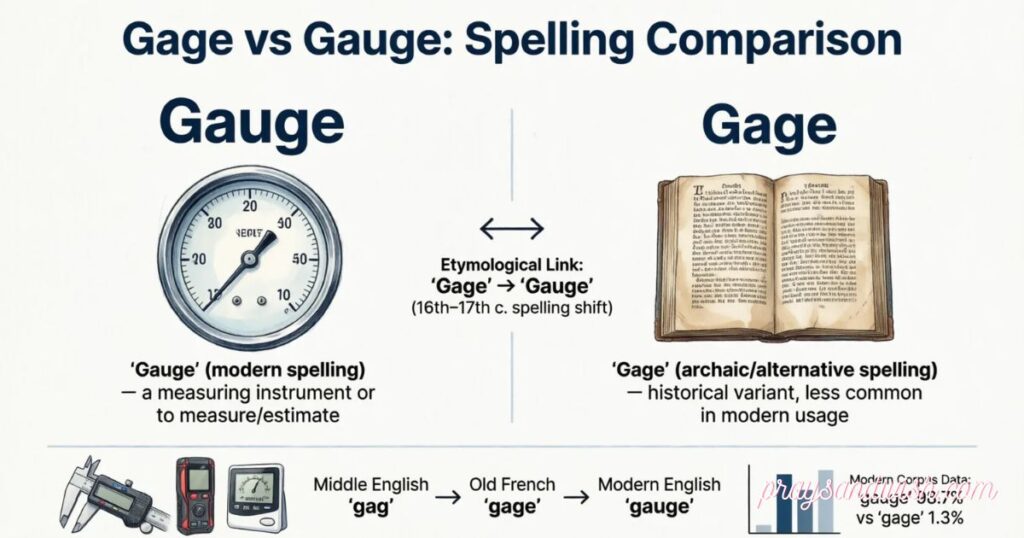
Many people search for gauge or gage interest because they are unsure which spelling is correct.
The standard and most widely accepted spelling is:
Gauge interest ✅
The word gage exists in English, but it has different meanings and is rarely used in this expression.
Is “Gaging Interest” Correct?
The correct spelling of the verb form is:
Gauging interest ✅
The spelling gaging interest is uncommon and generally considered incorrect when referring to measuring interest.
Examples:
Correct:
- “The company is gauging customer interest.”
Incorrect:
- “The company is gaging customer interest.”
Easy Way to Remember
Remember that the word comes from gauge, like a measurement tool. Since you are measuring interest, the spelling remains connected to gauge.
Why Do People Gauge Interest Before Acting?
People gauge interest because it helps them make smarter decisions and avoid unnecessary risks.
Before investing resources, understanding whether people actually care about an idea can save time and money.
Common reasons include:
- Validating an idea before investing
- Understanding customer needs
- Reducing uncertainty
- Improving products or services
- Collecting feedback
- Building excitement before launch
For example, a startup may test customer interest before spending thousands of dollars developing a new product.
Real-Life Examples of Gauge Interest
The phrase gauge interest applies to many areas of life.
Companies often gauge customer interest before launching products or improving their services. For example, automobile brands like Cadillac study customer preferences to understand what buyers want.
Business example:
A company asks potential customers if they would buy a new service before creating it.
Education example:
A teacher asks students whether they would join a new course.
Content creation example:
A YouTuber creates a poll to see which topic viewers want next.
Event example:
An organizer collects registrations before booking a large venue.
In every situation, the purpose is the same: understand interest before making a commitment.
Gauge Interest vs Test the Market: What Is the Difference?

Although these phrases are related, they are not exactly the same.
| Phrase | Meaning | Main Purpose |
| Gauge Interest | Measure curiosity or enthusiasm | Understand initial reactions |
| Test the Market | Check real customer behavior | See whether people will buy |
Gauging interest usually happens earlier. It answers the question:
“Do people care about this idea?”
Testing the market happens later and answers:
“Will people actually pay for this?”
For example, asking customers if they like a product idea is gauging interest. Selling a limited version of that product is testing the market.
How to Gauge Interest Effectively
Simply asking people if they like an idea is not always enough. Effective interest measurement requires the right approach.
Some useful methods include:
- Asking clear and specific questions
- Using online surveys
- Creating social media polls
- Collecting customer feedback
- Testing a small version of the idea
- Tracking actual actions instead of only opinions
For example, someone saying “That sounds great” does not always mean they will buy. A stronger signal is signing up for a waiting list or making a purchase.
When to Use Gauge Interest and When Not to Use It
When to Use Gauge Interest
You should gauge interest when:
- You are starting a new project
- You are launching a product
- You need customer feedback
- You want to reduce risk
- You are unsure about demand
When Not to Use Gauge Interest
Sometimes gauging interest is unnecessary.
Avoid spending too much time measuring interest when:
- The decision is simple and reversible
- You already have strong data
- Waiting may cause you to miss an opportunity
The goal is to make better decisions, not delay action forever.
Common Mistakes People Make With Gauge Interest
Spelling It as Gaging Interest
One common mistake is writing “gaging interest” instead of “gauging interest.”
Using It After a Final Decision Has Been Made
Gauging interest should happen before committing. Asking for opinions after everything is decided defeats the purpose.
Confusing Interest With Commitment
Someone being interested does not always mean they are ready to buy or participate.
Using It When You Need a Definite Answer
Gauging interest gives an indication, not a guaranteed decision. If you need a final commitment, you need a different approach.
How to Gauge Customer Interest for a Product or Business Idea
Businesses often need to know whether customers actually want a product before investing money.
Some effective methods include:
- Creating customer surveys
- Running social media polls
- Building a landing page
- Offering early access registration
- Testing advertisements
- Studying search trends
- Collecting pre-orders
For example, an online store can create a product page before manufacturing and measure how many people sign up for updates.
This helps businesses understand customer demand before making large investments.
Conculsion
Knowing how to gauge interest can help you make better choices before starting something new. Whether you have a new idea, a product, a business plan, or an event, it is always helpful to know what people think. Gauging interest helps you understand if people like your idea or not. It also helps you save time, avoid problems, and make better plans.
You can learn about people’s interest by asking questions, getting feedback, or checking their actions. Remember, you do not have to guess what people want. By checking their interest first, you can take the right steps and make your ideas more successful.
FAQ
What does gauge interest mean?
Gauge interest means finding out how much people like or care about something before making a decision.
Why should you gauge interest?
You should gauge interest because it helps you know what people want and avoid wasting time or money.
How can you gauge someone’s interest?
You can gauge interest by asking questions, using polls, reading feedback, or watching what people do.
Can businesses gauge customer interest?
Yes, businesses often gauge customer interest before launching new products or services.
What are other words for gauge interest?
Other simple words for gauge interest are check interest, measure interest, understand interest, and find out what people think.